
The Westminster Standards are a collection of documents that serve as the doctrinal standards of many Presbyterian denominations. They were written during the seventeenth century and have since become an essential part of the Reformed tradition. In this article, we will explore the history, purpose, and content of the Westminster Standards.

History of the Westminster Standards
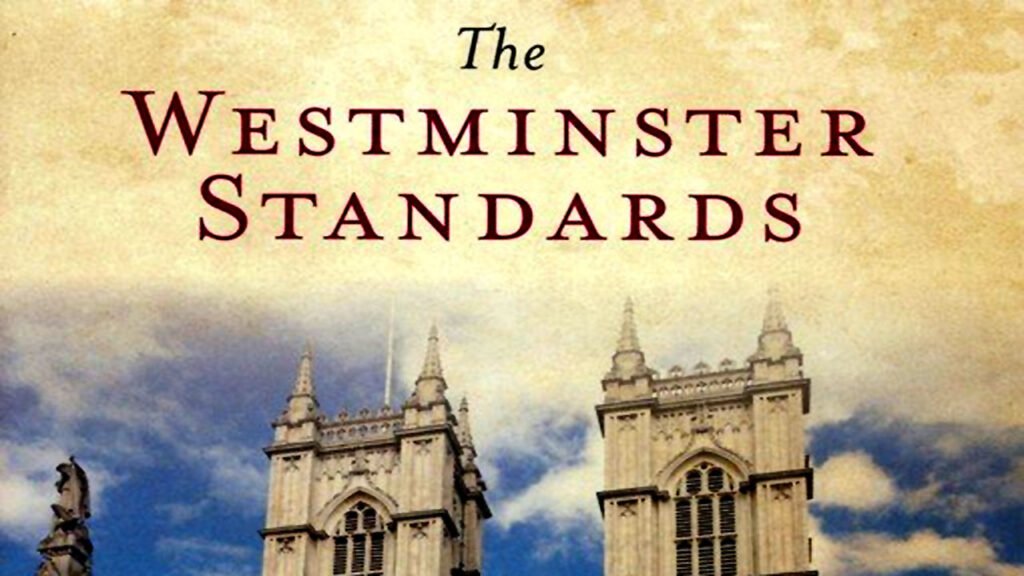
Westminster Standards

The Westminster Standards were created by the Westminster Assembly, which was convened by the English Parliament in 1643. The Assembly was composed of theologians and clergy from both England and Scotland who were tasked with reforming the Church of England. Over the course of five years, the Assembly produced a number of documents, including the Confession of Faith, the Larger Catechism, and the Shorter Catechism.

Purpose of the Westminster Standards

The purpose of the Westminster Standards was to provide a clear and consistent statement of the Reformed faith. They were intended to unify the Presbyterian Church and provide a foundation for theological teaching and practice. The Westminster Standards also served as a response to the teachings of the Catholic Church and other Protestant denominations.

Content of the Westminster Standards

The Westminster Standards consist of three documents: the Confession of Faith, the Larger Catechism, and the Shorter Catechism. Some of the key points of each document are:

  • The Confession of Faith: This document contains 33 chapters that outline the basic beliefs of the Reformed Church. It includes topics such as the nature of God, the authority of scripture, and the role of the church in society.
  • The Larger Catechism: This document consists of 196 questions and answers that provide a systematic explanation of the Reformed faith. It covers topics such as the Ten Commandments, the Apostles’ Creed, and the Lord’s Prayer.
  • The Shorter Catechism: This document consists of 107 questions and answers that provide a concise summary of the Reformed faith. It covers topics such as the nature of God, the fall of man, and the person and work of Christ.

Importance of the Westminster Standards

The Westminster Standards have played an important role in the development of Reformed theology and practice. They have served as a standard of orthodoxy for many Presbyterian denominations and have been used as a basis for theological education and pastoral training. The Westminster Standards also remain an important resource for Christians and anyone interested in the history of Christianity.

Conclusion

The Westminster Standards are essential documents for understanding the beliefs and history of the Reformed Church. They provide a clear and consistent statement of faith that has served as a foundation for Reformed theology and practice for centuries. While the Westminster Standards are primarily historical documents, they remain important resources for Reformed Christians and anyone interested in the history of Christianity.
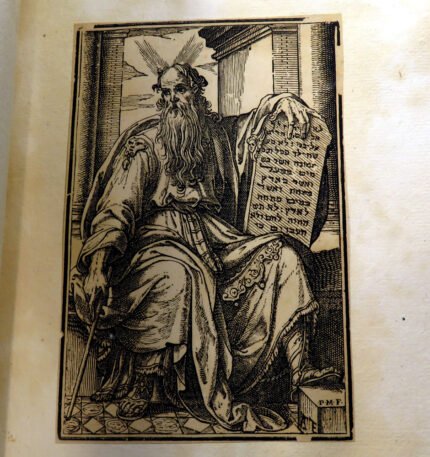
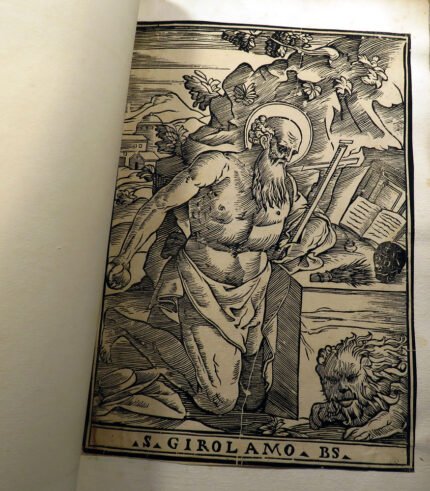
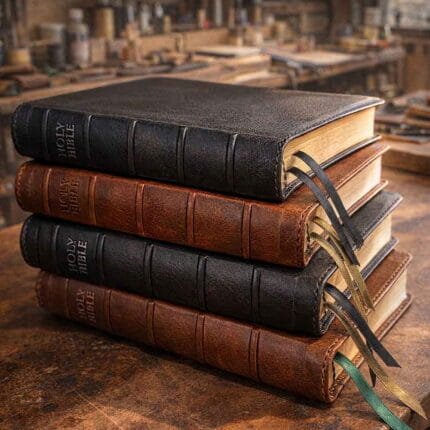
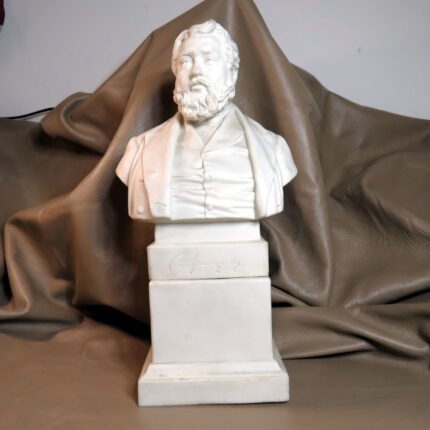
Charles H. Spurgeon Bust 12 inches tall Robinson Leadbeater Parian

$999.99

This is a truly magnificent and historically significant piece: an authentic, 12-inch tall Charles H. Spurgeon Bust, dating back to the height of the “Prince of Preachers'” fame. More than just a portrait, this is a tangible link to 19th-century religious and ceramic history, featuring an impressive array of original maker and copyright inscriptions.

See more information in description below:

Buy Now

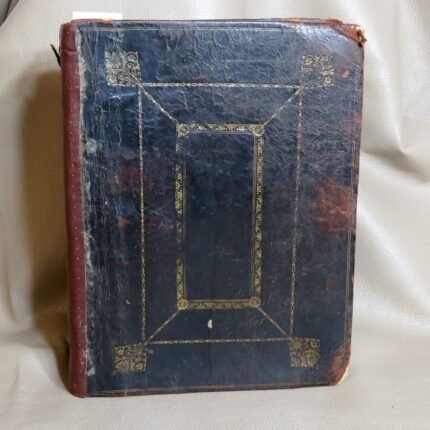
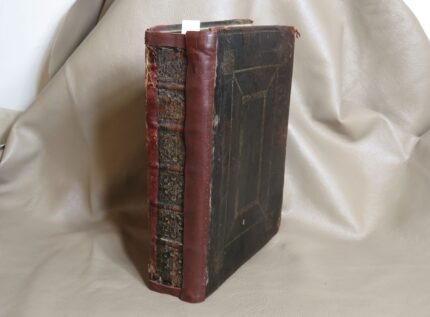
Rare 1765 1st Ed: The Lives of John Wicliff and His Disciples by William Gilpin

$499.99

A Rare 1765 First Edition: The Lives of John Wicliff and His Disciples by William Gilpin

This is a significant and fascinating piece of 18th-century ecclesiastical history: The Lives of John Wicliff; and of the most Eminent of his disciples; Lord Cobham, John Huss, Jerome of Prague, and Zisca, written by William Gilpin, M.A., and printed in London in 1765. This work is a detailed biography of the great English theologian and reformer, John Wycliffe (often spelled Wicliff), and the central figures who carried on his religious and political legacy, often paying the ultimate price.

See more information below:

Buy Now

1595 Geneva Breeches Bible printed by Christopher Barker, Theo. Beza

$2,999.99

This 1595 Geneva Bible, printed by the deputies of Christopher Barker, is a quarto edition of the Geneva Bible, an important and influential version of the scriptures for late 16th-century Protestants. This 1595 version is a significant historical artifact that provides insight into the era’s religious, cultural, and publishing landscape.

See the description below for more info:

Buy Now

1654 pocket Bible OT imprinted by Evan Tyler for a Society of Stationers with brass clasps and red ruling

$999.99

This 1654 pocket Bible imprinted by Evan Tyler, for a Society of Stationers, with brass clasps and red ruling, is highly significant. The red ruling, in particular, points to the book’s high-quality and premium nature, underscoring the owner’s status and the personal value they placed on this object of daily devotion.

See description below for more information:

Buy Now

1659 LARGE Folio KJV FIELD BIBLE celebration of the Restoration of Charles II, RED RULED

$2,499.99

[THE HOLY BIBLE] Cambridge: John Field, 1659. Folio, 17.25″ x 11.25″. Wanting the engraved general title and coat of arms, and blank y4, else collates complete (see ESTC R36589.) Bound in full period marbled calf.

RED RULED – For a small percentage of Bibles, the borders and important parts of the text would be marked using a straightedge and red ink. Each page would be outlined by a scribe after printing, which was a very detail oriented and time-consuming practice. Red-ruling makes the text stand out, easier to read, and was a practice used by the very wealthy of the time.

The 1659 Field Bible, issued in celebration of the Restoration of Charles II, is a significant historical artifact. Although it is missing the engraved general title and coat of arms, as well as blank y4, it is otherwise complete and intact. This particular edition was published by John Field in Cambridge, 1659.

See more in description below:

Buy Now

1839 Presbyterian Church Case by Samuel Miller, Jr

$59.99

1839 Presbyterian Church Case by Samuel Miller, Jr

The Commonwealth of Pennsylvania, At the suggestion of James Todd and others, vs. Ashbel Green and others. Philadelphia: William S. Martien, 1839. First Edition.

Leather, approx. 9 1/4 x 6 inches.

Inscription on inside cover. 596 pp., foxing, binding tight.  Good condition.

See more information below:

Buy Now